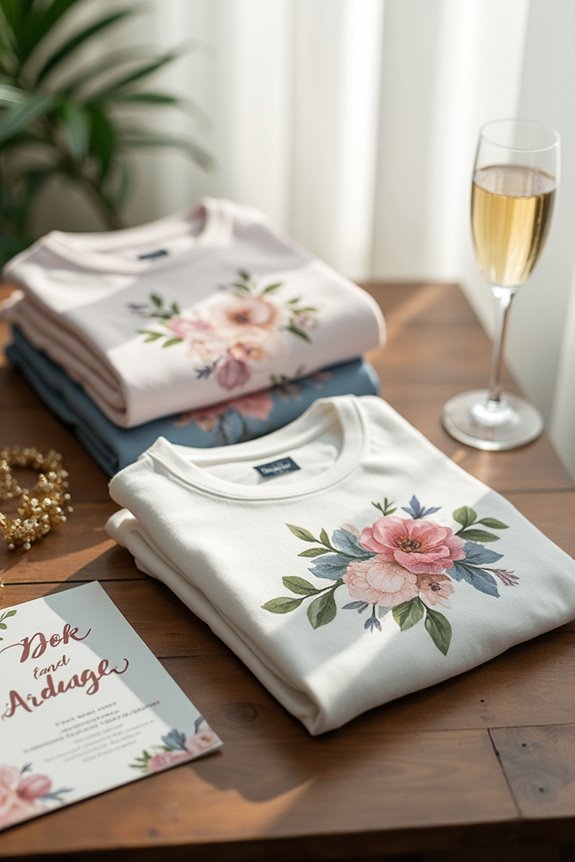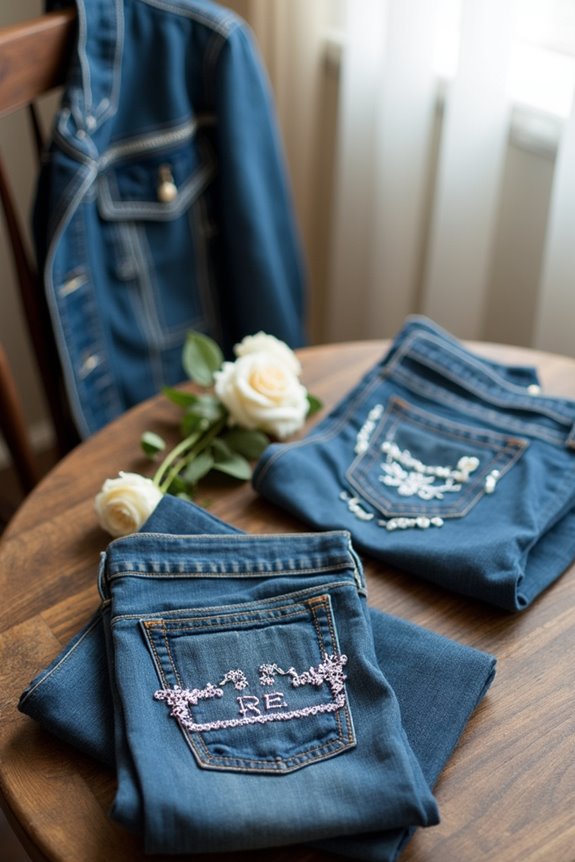
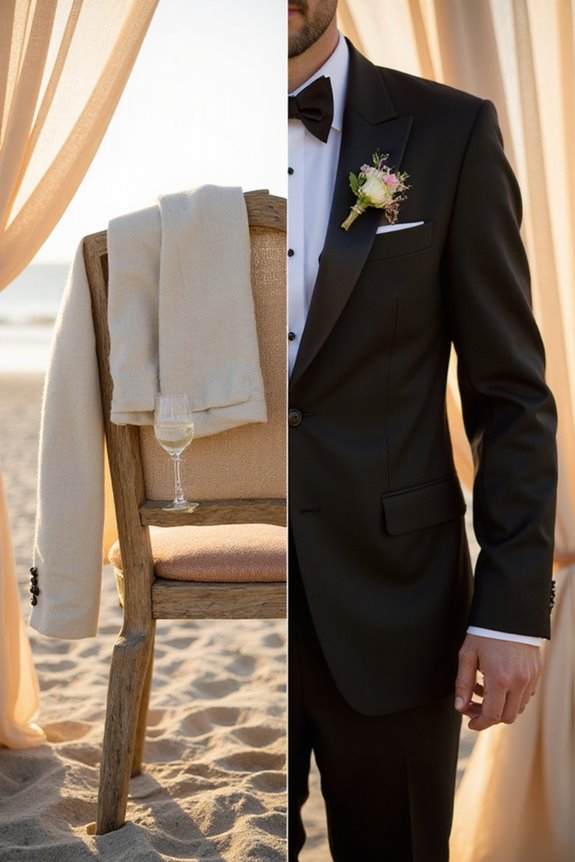

When we talk about the difference between casual and formal wear, it boils down to purpose. Casual outfits prioritize comfort and self-expression, like jeans and T-shirts, perfect for chilling with friends. In contrast, formal wear, like suits or elegant dresses, is meant for occasions like weddings or business meetings. The fabrics, fit, and color choices also vary. So, whether you’re dressing down or dressing up, knowing the right style helps us shine for any event. Want to learn more?
Key Takeaways
- Casual wear prioritizes comfort and practicality, while formal wear is tailored for special occasions and requires a polished appearance.
- Fabric quality differs; formal wear often uses luxurious materials like silk, while casual wear favors breathable fabrics like cotton.
- Fit and structure vary; formal outfits are precisely tailored for a sharp silhouette, whereas casual wear offers looser fits for ease of movement.
- Color palettes contrast, with formal wear typically in neutral shades and casual wear allowing for vibrant colors and fun patterns.
- Accessories play distinct roles; formal wear includes items like ties and cufflinks, while casual wear features more expressive and relaxed accessories.
Purpose and Occasion
When we think about what to wear, it often boils down to two big categories: casual and formal. Casual wear is all about comfort and practicality, perfect for our everyday lifestyle choices. Think grocery shopping or catching up with friends over coffee; we want to feel relaxed and free to express ourselves without strict dress codes.
In contrast, formal wear is reserved for special occasions, like weddings or corporate events. These social settings often call for elegance, professionalism, and a polished look. If we receive an invitation specifying formal attire, it’s a cue to elevate our wardrobe game! So, whether we’re dressing down for a casual brunch or suiting up for a gala, knowing the purpose helps us make the right choice.
Recommended Products

2 CONTROL METHODS - Switch and remote control, no cable, this LED under table light for party is convenient and easy to use.

Elegant Rhinestone Design: This wedding belts with rhinestones features a sparkling rhinestone embellishment that adds a refined and glamorous accent to any bridal gown, enhancing your wedding day ensemble with a touch of sophistication

Size & Quantity: 10 INCH CEMENT GRAY TAPER CANDLES—12 CANDLESTICKS PER BOX: Each box of 10 Inch Candle Tapers delivers 12 solid-cement gray, 10 inch taper candles crafted in small batches with consistent color throughout — never dipped, always solid. LimberLife classic cement gray tapered candlesticks are the perfect fit for standard tapercandle holders and candlestick holders, bringing timeless elegance to dinner tables,mantels, weddings, holiday gatherings, churches, and synagogues. Our candles are designed for indoors or outdoors.
Fabric Quality
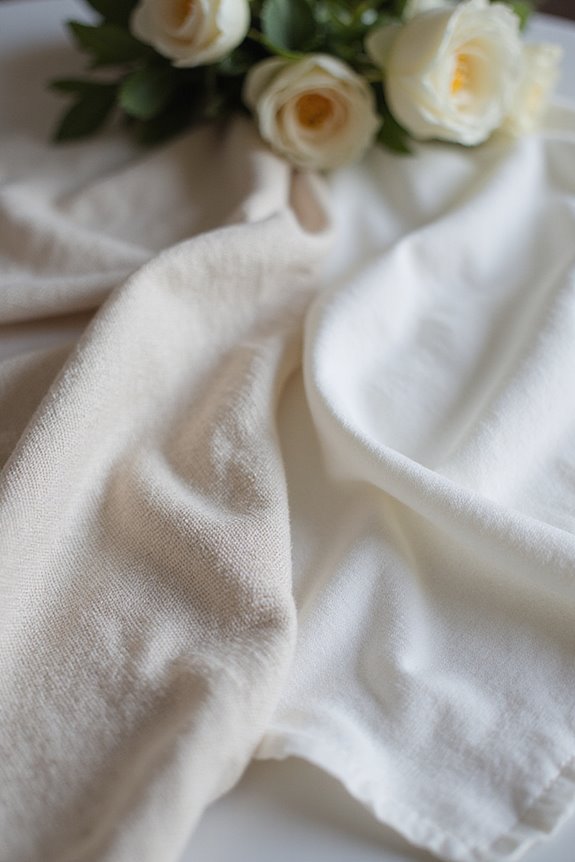
Choosing the right fabric can make all the difference in how we feel and look in our outfits. For formal wear, natural fabrics like wool and silk offer a luxurious touch and breathability. However, we might lean towards cotton and linen for casual settings, as they prioritize comfort and ease.
When it comes to texture differences, formal shirts typically use smooth, tightly woven fabrics like poplin, giving us that polished look. Casual shirts, on the other hand, often feature textured fabrics like twill or oxford cloth, providing a relaxed vibe.
Recommended Products

Premium Fabric --- Men's short sleeve cuban shirt is made of premium fabric, which is breathable, soft and skin-friendly, keeping you cool and comfortable in the summer

Flex Fabric: This long-sleeve dress shirt is crafted from stretch fabric, allowing for easy movement. It's soft, comfortable, and highly breathable

Stain Shield: Our regular fit shirt suitable for a variety of Formal/Casual/ Business/Wedding/Party/Club/Dating, the mens dress shirts are made of 70% cotton material, Soft, skin friendly and breathable, special process makes the shirt waterproof, blocking stains still maintain good breathability.Waterproof and Stain resistant and keep you look pristine all day without worring the accident spills
Fit and Structure
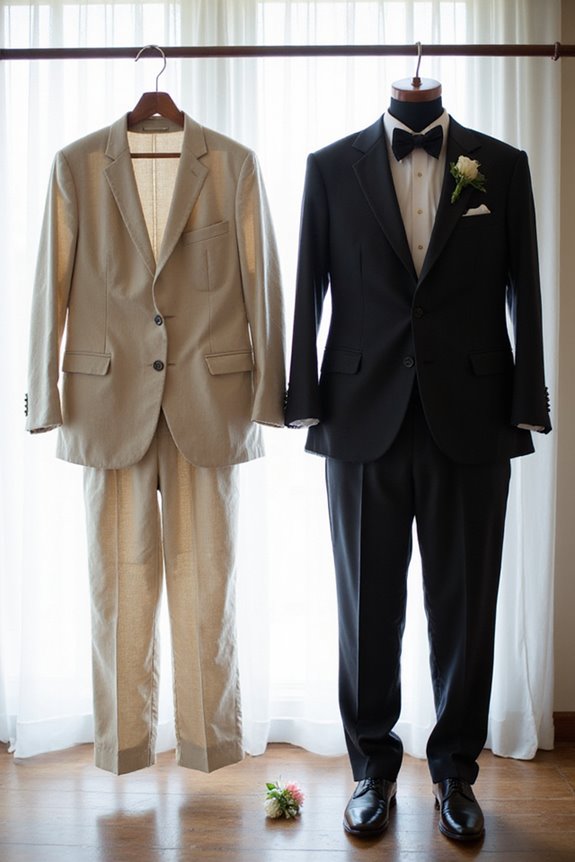
While we often think about style and fabric when it comes to our outfits, fit and structure play a massive role in how we look and feel. Formal wear usually involves precise tailoring techniques that create a sharp silhouette definition. Think of well-fitted suits with darts and seams that hug your body—this enhances posture and gives a polished appearance. On the flip side, casual wear is all about comfort, often featuring looser fits that allow for easy movement. If you’re feeling fancy but want comfort, consider a tailored blazer with relaxed pants. Remember, it’s possible to blend these styles for a unique look! Finding the right fit can make a world of difference—so don’t shy away from experimenting!
Recommended Products

Elegant and Versatile: This men's tailored vest offers a timeless design that perfectly complements any formal outfit. Whether for weddings, gala events, or business meetings, its sleek fit ensures you look sharp and professional every time. The classic styling makes it an essential piece for both formal and semi-formal occasions
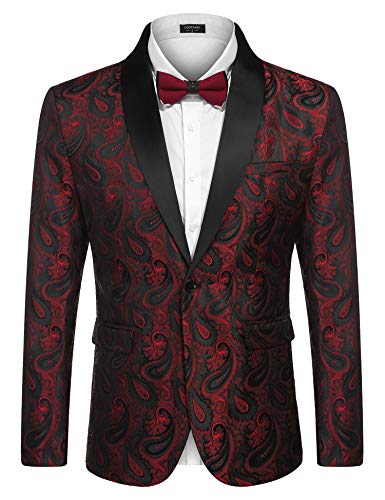
The fashionable dinner jacket is made of high-quality durable light weight fabric, giving you unique texture and comfortable wearing experience, finished by excellent stitching.

Elegant and Versatile: This men's tailored vest offers a timeless design that perfectly complements any formal outfit. Whether for weddings, gala events, or business meetings, its sleek fit ensures you look sharp and professional every time. The classic styling makes it an essential piece for both formal and semi-formal occasions
Color Palette
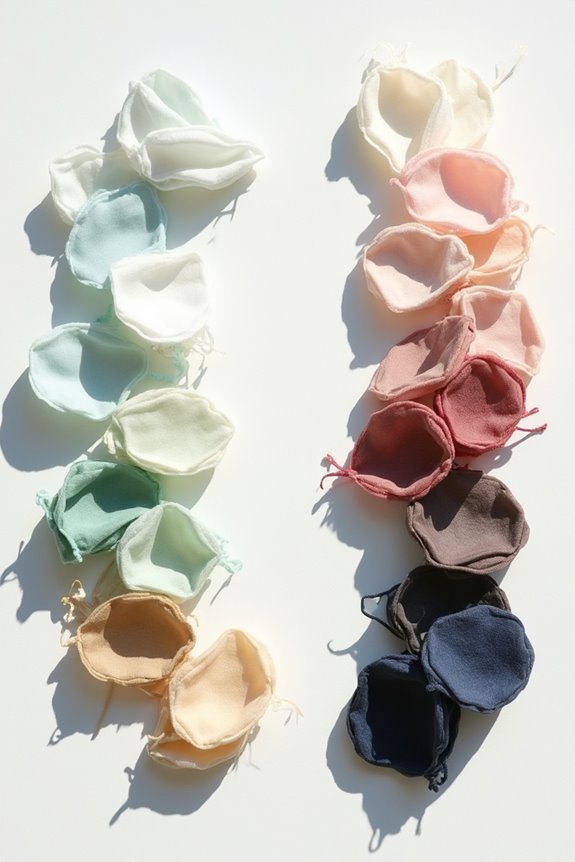
Since colors can really set the mood for any outfit, it’s important we pay attention to what we choose to wear. Casual wear lets us explore bright hues and fun patterns, like a vibrant tee or colorful sneakers. This is where we can showcase our personality and follow color trends. On the other hand, formal wear sticks to neutral shades, like black, navy, or gray, which convey sophistication and reliability. When dressing for an event, consider color symbolism; for instance, black is perfect for formal occasions, while light pastels can soften a smart-casual look. By mixing colors wisely, we can balance our vibe—whether we’re aiming for creativity or professionalism. So let’s experiment while keeping context in mind!
Accessories
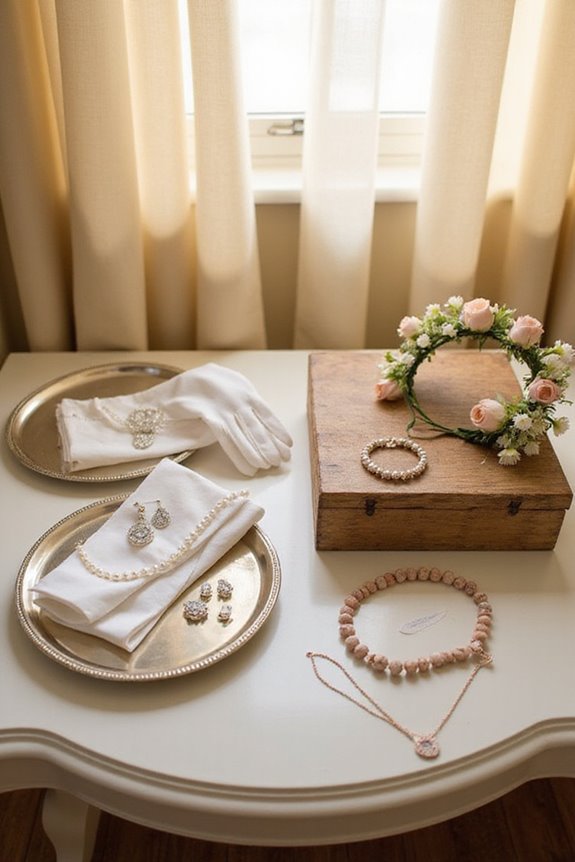
When it comes to dressing up, accessories are like the cherry on top of a sundae—they can really make or break an outfit. For formal wear, think ties, cufflinks, and elegant watches. These pieces add sophistication without being too loud. On the flip side, casual accessories let us express our personality. Colorful bracelets, fun hats, and playful sunglasses are great examples.
We can also explore layering techniques. For instance, layering simple necklaces can create a trendy vibe for casual outings. Plus, swapping watch straps can shift a look from formal to casual in seconds. So, let’s keep up with accessory trends and choose items that reflect our style while still being appropriate for the occasion! Additionally, incorporating bridal hair accessories can elevate your overall look for special events, adding a touch of elegance and glamour.
Recommended Products

What you receive: 6 pieces of bride hair pins in total, 3.7 inch in length, these simple and classical hair pins are good for wedding, prom and party
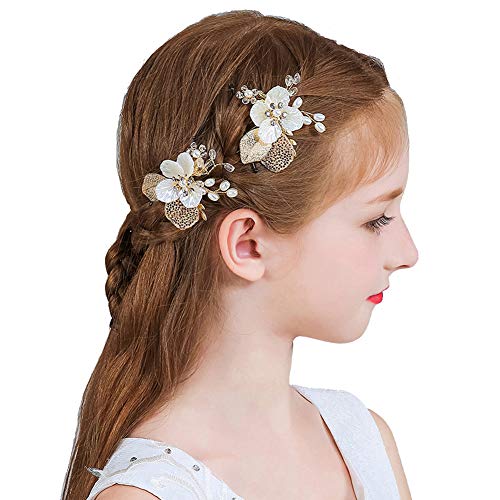
PREMIUM QUALITY MADE & SPECIAL DESIGN: Gold-plated copper wire, handpicked pearls, shiny rhinestones, frosted crystal and artificial flowers stand out this beautiful bridal hair pieces. Pretty head pieces for flower girls or bridesmaid in wedding, also suitable for prom or any special parties and occasions, makes you got tons of compliments.

High quality material: Our hair accessories for women are made of crystal, white artificial pearl and copper wire, the wire can be adjusted according to your hairstyle.
Frequently Asked Questions
Can I Wear Formal Attire to a Casual Event?
We can wear formal attire to a casual event, but we should consider event appropriateness. Balancing our look with casual attire elements helps us blend in and respect the gathering’s relaxed atmosphere.
How Do I Choose the Right Formal Outfit for My Body Type?
When choosing a formal outfit, we should consider our body shape. For instance, A-line skirts work wonders for pear shapes, while fitted dresses enhance hourglass figures. Let’s find styles that flatter our unique silhouettes!
Are There Any Exceptions to Dress Codes for Formal Events?
Yes, there’re dress code exceptions based on event type influence. For example, black-tie optional allows flexibility with attire, while outdoor or daytime events might permit lighter fabrics. Always consider the specific context when dressing for an occasion.
How Should I Care for My Formal Clothing?
We understand caring for formal clothing can seem intimidating, but with our dry cleaning tips and proper fabric storage, we can keep our attire looking pristine, ensuring we always feel confident and polished for any occasion.
What Are Some Common Formal Wear Mistakes to Avoid?
When choosing formal wear, we often overlook fit and proportions. Let’s avoid mismatched accessories and incorrect grooming. Remember, it’s not just about style; it’s about ensuring we present ourselves appropriately, unlike casual attire.
{
“@context”: “https://schema.org”,
“@type”: “FAQPage”,
“mainEntity”: [
{
“@type”: “Question”,
“name”: “Can I Wear Formal Attire to a Casual Event?”,
“acceptedAnswer”: {
“@type”: “Answer”,
“text”: “We can wear formal attire to a casual event, but we should consider event appropriateness. Balancing our look with casual attire elements helps us blend in and respect the gathering’s relaxed atmosphere.”
}
},
{
“@type”: “Question”,
“name”: “How Do I Choose the Right Formal Outfit for My Body Type?”,
“acceptedAnswer”: {
“@type”: “Answer”,
“text”: “When choosing a formal outfit, we should consider our body shape. For instance, A-line skirts work wonders for pear shapes, while fitted dresses enhance hourglass figures. Let’s find styles that flatter our unique silhouettes!”
}
},
{
“@type”: “Question”,
“name”: “Are There Any Exceptions to Dress Codes for Formal Events?”,
“acceptedAnswer”: {
“@type”: “Answer”,
“text”: “Yes, there’re dress code exceptions based on event type influence. For example, black-tie optional allows flexibility with attire, while outdoor or daytime events might permit lighter fabrics. Always consider the specific context when dressing for an occasion.”
}
},
{
“@type”: “Question”,
“name”: “How Should I Care for My Formal Clothing?”,
“acceptedAnswer”: {
“@type”: “Answer”,
“text”: “We understand caring for formal clothing can seem intimidating, but with our dry cleaning tips and proper fabric storage, we can keep our attire looking pristine, ensuring we always feel confident and polished for any occasion.”
}
},
{
“@type”: “Question”,
“name”: “What Are Some Common Formal Wear Mistakes to Avoid?”,
“acceptedAnswer”: {
“@type”: “Answer”,
“text”: “When choosing formal wear, we often overlook fit and proportions. Let’s avoid mismatched accessories and incorrect grooming. Remember, it’s not just about style; it’s about ensuring we present ourselves appropriately, unlike casual attire.”
}
}
]
}