
When it comes to how much we should spend on a diamond ring, a good rule of thumb is to set our budget at about 4% of our annual income. For example, if we make $60,000 a year, we’re looking at around $2,400 for that ring. Remember, it’s all about love, not just the sparkle! There are beautiful options in every price range. Let’s explore more about what really impacts our budget!
Key Takeaways
- A suggested budget for an engagement ring is about 4% of your annual income.
- Average engagement ring costs range from $5,200 to $10,109, depending on location.
- The center diamond typically comprises 50-70% of your total budget.
- Consider the 4Cs (cut, color, clarity, carat) to balance quality and cost.
- Affordable alternatives to traditional diamonds can enhance budget flexibility without sacrificing style.
Understanding the Average Cost of Engagement Rings in 2026
When it comes to buying an engagement ring, it is understood it can feel overwhelming, especially with so many options and price points out there. In 2026, average costs range from about $5,200 to $8,580, depending on where we live. For instance, if we’re in Washington, we might spend around $10,109! That’s a hefty chunk. Understanding engagement ring economics, we see that regional spending plays a big role in these prices. Some states have higher averages due to local income levels and market demand. So, before we rush to buy, let’s consider our budget and what’s important to us. Remember, it’s about the love, not just the ring! We can always find something beautiful within our budget.
Factors Influencing Your Diamond Ring Budget
Understanding how to set a budget for a diamond ring can feel like a challenging task, especially with all the factors at play. When we consider diamond grading, we need to remember the 4Cs: cut, color, clarity, and carat weight. Each of these can greatly impact our budget. For instance, a slightly lower carat weight, like 0.9 instead of 1.0, can save us quite a bit without sacrificing much visual impact. Additionally, customizing a ring or opting for a well-known brand can inflate costs. Instead, we might explore unique settings that fit our style without breaking the bank. By balancing these elements, we can create budget strategies that lead to a beautiful ring without causing financial stress. Understanding the 4 Cs of Diamonds can help guide your choices to stay within your budget.
Recommended Products
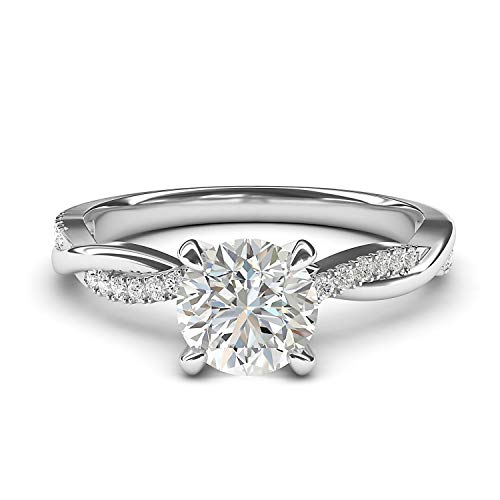
Fine Sterling Silver ring, handmade using pure fine Silver (Authentic 925 stamped). Sturdy and shiny. Handmade using pure fine Silver. Wear it everyday, enjoy its beauty, because it doesn't cost thousands like natural diamond rings, so you don't have to worry about losing it.
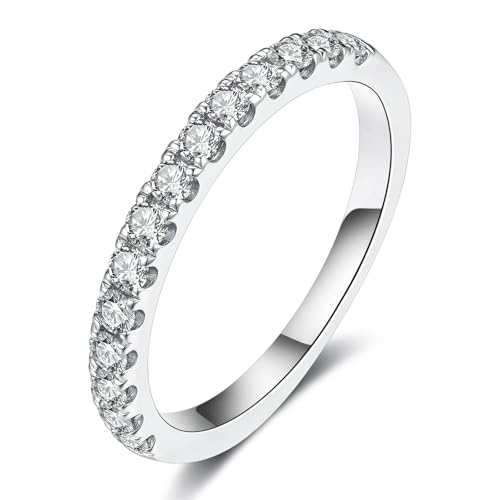
【Glittering and Dazzling】-This lab grown diamond ring features 14 sparkling 2.0mm lab-created diamonds, hand-set for captivating brilliance. A must-have eternity ring for women to elevate any outfit with elegance.

100% Brand New & High Quality
Setting Realistic Spending Guidelines
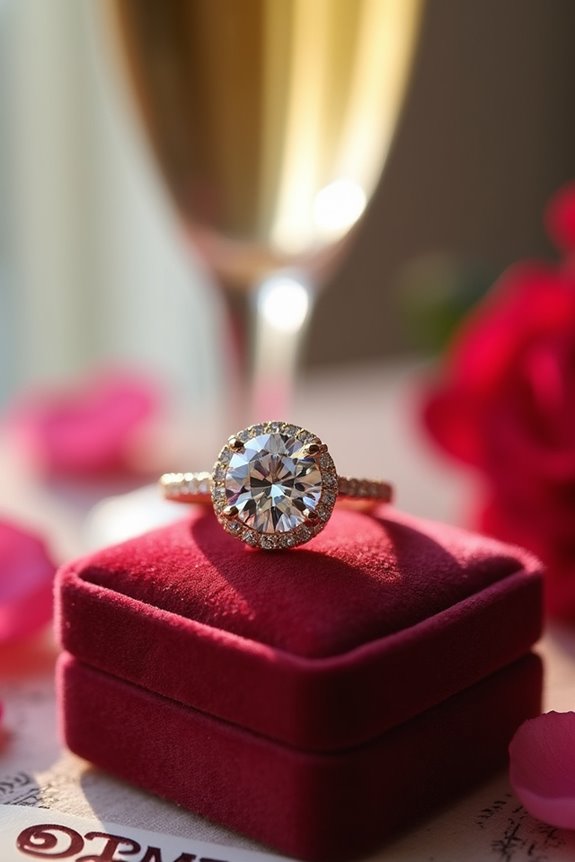
Setting a budget for a diamond ring can feel overwhelming, but it doesn’t have to be! We can start by focusing on personal financial planning and using effective budgeting strategies. A good guideline is to aim for about 4% of our annual income. For example, if we earn $60,000, that means we could budget around $2,400 for the ring.
Next, let’s consider using engagement ring budget calculators. These handy tools help us find a comfortable price point based on our monthly income and savings goals. Remember, it’s about balancing our desire for style with our financial realities. By customizing our budget, we can avoid unnecessary stress and guarantee our ring truly reflects our love without breaking the bank! Additionally, considering affordable alternatives to traditional diamond rings can provide stunning style without excessive costs.
Recommended Products
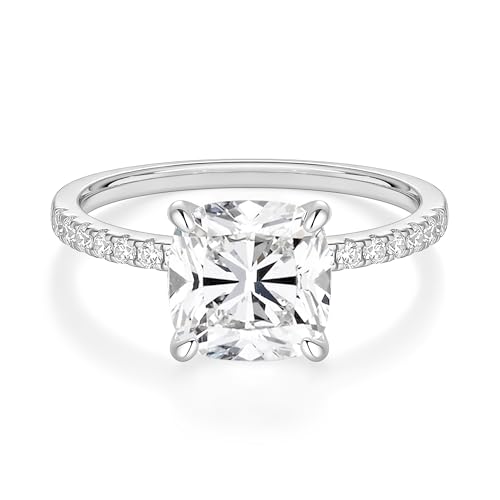
Material: Crafted from premium brass with thickened white gold plating, long-lasting color, fade-resistant, and hypoallergenic. Inlaid with AAAAA+ cubic zirconia with precision cutting, sparkles brilliantly under light for a luxurious texture

Material: Crafted from premium brass with thickened 14K gold plating, long-lasting color, fade-resistant, and hypoallergenic. Inlaid with AAAAA+ cubic zirconia with precision cutting, sparkles brilliantly under light for a luxurious texture

Exquisite Luxury: The Marquis Cut engagement ring is crafted with 3.5 carats of cubic zircon oxide and shines like a real diamond. The exquisite cushion cutting process makes it unique, and this Marquis Cut engagement ring embodies exceptional craftsmanship and timeless design to show off your beauty.
Current Market Trends Affecting Ring Prices
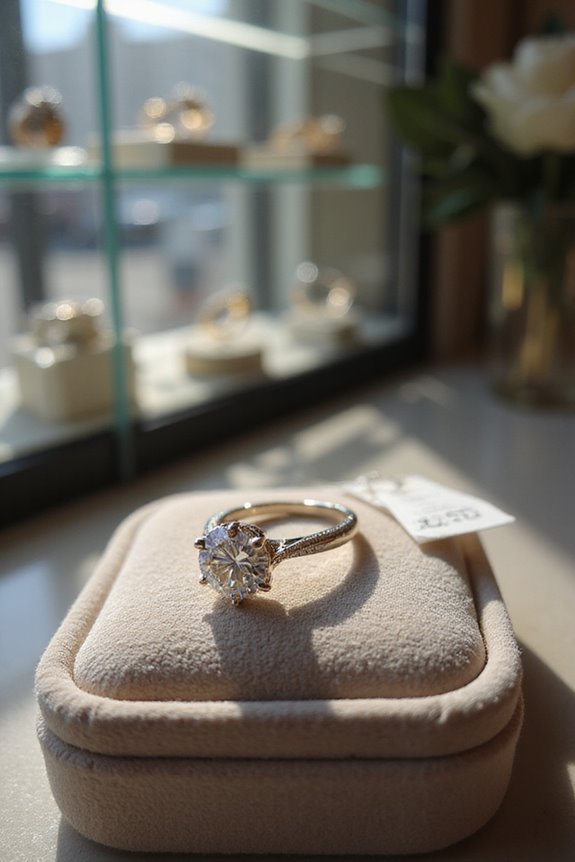
As we explore the current market trends affecting ring prices, it’s important to remember that the diamond landscape is always shifting. Consider gemstone shapes; elongated cuts like marquise and baguette are becoming hot favorites, often thanks to celebrity influence. We might pay a premium for these, but they do maximize visual size!
Ring settings also play a role—bezel settings and hidden halos add a modern touch but at a cost. Sustainability trends are gaining traction too, with ethically sourced diamonds driving prices up. Additionally, many affordable options, such as princess cut wedding rings, provide stunning alternatives without breaking the bank.
Customization options offer a unique flair, but they can inflate costs as well. So, when planning our budget, let’s keep these trends in mind to find the perfect balance between style and spending!
Recommended Products

Material: Crafted from premium brass with thickened 14K gold plating, long-lasting color, fade-resistant, and hypoallergenic. Inlaid with AAAAA+ cubic zirconia with precision cutting, sparkles brilliantly under light for a luxurious texture

Material: Crafted from premium brass with thickened 14K gold plating, long-lasting color, fade-resistant, and hypoallergenic. Inlaid with AAAAA+ cubic zirconia with precision cutting, sparkles brilliantly under light for a luxurious texture

A bold, modern take on a timeless bezel setting. Our new Oval Cut Bezel Set Solitaire Ring features a brilliant oval cz gemstone wrapped in a delicate, barely-there bezel for a sleek, diamond-forward look that won't catch or snag. There’s nothing we love more than a bezel set engagement rings. These low-maintenance, low-profile engagement rings are the perfect accompaniment to hands that do things.
Consumer Preferences and Their Impact on Spending

When we think about buying an engagement ring, it’s easy to get caught up in the excitement and forget about what really matters—our personal preferences and financial comfort. It’s important to reflect on our consumer priorities, like quality and ethical sourcing, which can guide our spending. Regional differences also play a role; a ring’s cultural significance might sway us to spend more in urban areas. However, we shouldn’t ignore our financial constraints. Balancing desires with budgets can lead us to beautiful options that fit our lifestyle. If we’re drawn to higher quality but need to save, contemplate a smaller carat size or a custom design. Ultimately, it’s about finding a ring that feels right for us, without breaking the bank!
Breakdown of Costs by Ring Components
Understanding the costs associated with an engagement ring can feel overwhelming, especially after considering our personal preferences and budgets.
Center Diamond Costs
Typically, the center diamond takes up 50-70% of our budget. The 4 Cs—carat, cut, color, and clarity—drive this price. Remember, larger stones can cost considerably more.
Ring Shank
The ring shank’s material affects cost, too. Simple gold bands start around $1,000, while thicker or embellished shanks can reach $2,000.
Accent Stones
Adding accent stones can elevate the ring’s sparkle but also its price.
Metal Type and Design Customization****
Finally, the choice of metal—platinum or gold—impacts durability and appearance. Custom designs can add a personal touch, but they do bump up the price. Let’s find the right balance together!
Recommended Products
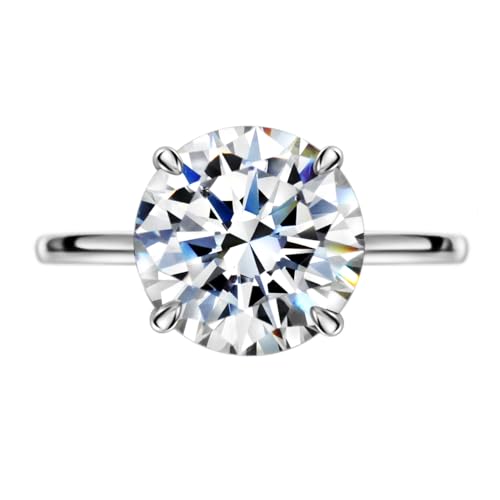
A diamond makes a stunning statement. Classic 4 claws setting 4.0 cttw diamond engagement ring sparkles.

Material:Brass 18k White gold plated,Size Available:4.5/5/5/5.5/6/6.5/7/7.5/8/8.5/9/9.5/10/10.5/11/11.5/12

PREMIUM 4CT 5A RADIANT CUBIC ZIRCONIA: Stunning halo design with tiny sparkling CZ encircling the 8x10mm main stone, delivering diamond-like brilliance for engagement and anniversary moments
Frequently Asked Questions
What Financing Options Are Available for Purchasing Engagement Rings?
When considering financing options for engagement rings, we can explore personal loans for flexible terms or credit cards offering 0% APR promotions. Both methods can make our purchase more manageable and budget-friendly if used wisely.
How Can I Ensure the Quality of My Diamond?
Like a lighthouse guiding us through the fog, we should seek diamond grading and quality certifications. By requesting reports from reputable labs, we’ll illuminate the true beauty and value of our chosen gems.
Should I Purchase Insurance for My Engagement Ring?
When considering engagement ring insurance, we believe it’s essential for diamond ring protection. It offers peace of mind against loss or damage, ensuring our precious symbol of love remains safe through life’s uncertainties.
What Is the Return Policy for Engagement Rings?
When considering engagement rings, we should know that return durations typically range from 30 to 60 days. Some stores also offer exchange conditions, but custom pieces usually aren’t eligible for returns. Always check specific policies.
How Can I Customize My Engagement Ring Design?
When we think about customizing our engagement ring, we can explore various design elements and personalization options. From selecting unique stones to choosing settings, it’s all about reflecting our individuality and love story.
{
“@context”: “https://schema.org”,
“@type”: “FAQPage”,
“mainEntity”: [
{
“@type”: “Question”,
“name”: “What Financing Options Are Available for Purchasing Engagement Rings?”,
“acceptedAnswer”: {
“@type”: “Answer”,
“text”: “When considering financing options for engagement rings, we can explore personal loans for flexible terms or credit cards offering 0% APR promotions. Both methods can make our purchase more manageable and budget-friendly if used wisely.”
}
},
{
“@type”: “Question”,
“name”: “How Can I Ensure the Quality of My Diamond?”,
“acceptedAnswer”: {
“@type”: “Answer”,
“text”: “Like a lighthouse guiding us through the fog, we should seek diamond grading and quality certifications. By requesting reports from reputable labs, we’ll illuminate the true beauty and value of our chosen gems.”
}
},
{
“@type”: “Question”,
“name”: “Should I Purchase Insurance for My Engagement Ring?”,
“acceptedAnswer”: {
“@type”: “Answer”,
“text”: “When considering engagement ring insurance, we believe it’s essential for diamond ring protection. It offers peace of mind against loss or damage, ensuring our precious symbol of love remains safe through life’s uncertainties.”
}
},
{
“@type”: “Question”,
“name”: “What Is the Return Policy for Engagement Rings?”,
“acceptedAnswer”: {
“@type”: “Answer”,
“text”: “When considering engagement rings, we should know that return durations typically range from 30 to 60 days. Some stores also offer exchange conditions, but custom pieces usually aren’t eligible for returns. Always check specific policies.”
}
},
{
“@type”: “Question”,
“name”: “How Can I Customize My Engagement Ring Design?”,
“acceptedAnswer”: {
“@type”: “Answer”,
“text”: “When we think about customizing our engagement ring, we can explore various design elements and personalization options. From selecting unique stones to choosing settings, it’s all about reflecting our individuality and love story.”
}
}
]
}