
Creating a floor plan for an event is easier than you think! First, let’s define our goals—like boosting brand awareness or enhancing guest interaction. Next, we’ll measure the venue accurately and map out usable spaces. Then, we can decide on the layout—zoning for sections like registration and networking. For seating, think about arrangements that encourage mingling, like round tables. Finally, tech tools can help us visualize and adjust our plan. Stick with us, and we’ll guide you through each step!
Key Takeaways
- Measure the venue accurately using a measuring wheel or tape measure, noting dimensions for effective planning.
- Define functional zones based on the event’s purpose, ensuring clear boundaries for each area.
- Choose seating arrangements that foster interaction and create a welcoming atmosphere for guests.
- Utilize digital tools like Social Tables or EventDraw for creating and customizing detailed floor plans efficiently.
- Conduct virtual walkthroughs of the floor plan to identify potential issues and optimize layout before the event.
Defining Event Goals and Objectives
When we think about planning an event, one of the first things we need to tackle is defining our goals and objectives. Clear goal alignment with our brand’s mission helps us stay on track. For instance, if our goal is to boost brand awareness, an objective could be increasing social media registrations.
Let’s also gather insights to inform these goals. Researching our audience and competitors can help shape our objectives. We should set measurable targets, like the number of leads we want to generate.
Measuring and Mapping the Venue Space
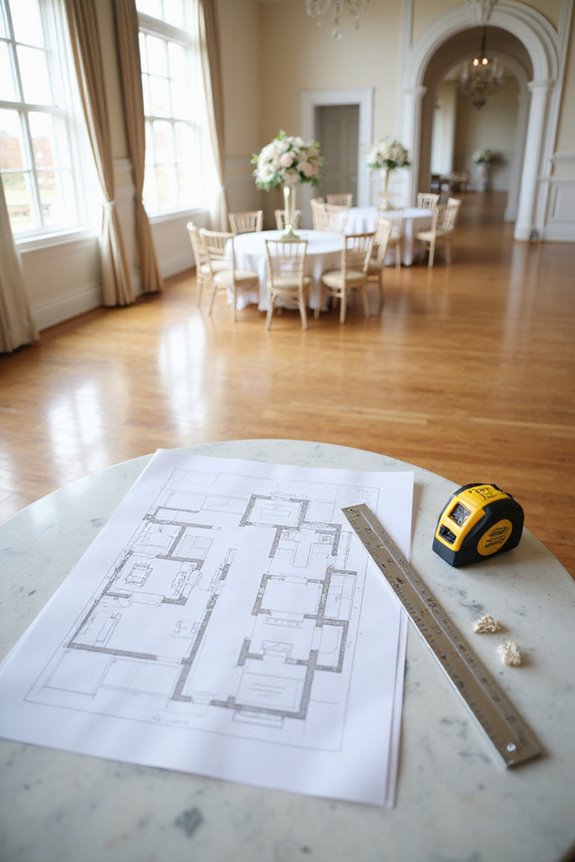
Measuring and mapping the venue space might seem like a challenging task, but it can be a fun adventure if we approach it step by step. First, we’ll grab a measuring wheel to check the venue dimensions accurately. For tighter spots, tape measures work wonders, and if we’re feeling fancy, a laser distance meter can speed things up!
Next, we need to record our findings—whether on notepads or digital devices—so we don’t forget any essential details. For calculating floor area, multiply length by width for rectangles, or break irregular spaces into smaller sections. Remember to factor out unusable areas, like stages or bars. Together, we’ll create a solid foundation for a successful event layout!
Recommended Products

ACCURATE: This laser measuring tool features long range measuring with extreme accuracy. It measures distances up to 100 feet to within 1/16 inch, in meters, feet, inches, with fractions or decimals

【Accurate】This laser measuring tool features long range measuring with extreme accuracy and measures distances up to 330 feet within 1/16 inch. This laser measure is more accurate than most laser tape measure. Laser class: Class 2, laser type: 630-670nm, <1mW

★ HIGH ACCURACY & UNIT SWITCHABLE ★ With unique 2 Bubble Levels, providing more precise measurement compared to one bubble;With laser precision technology, accuracy ups to ±1/16inch, measuring distance extends to 328 feet; Switchable among M/In/Ft for free adjustment
Determining Layout and Zoning
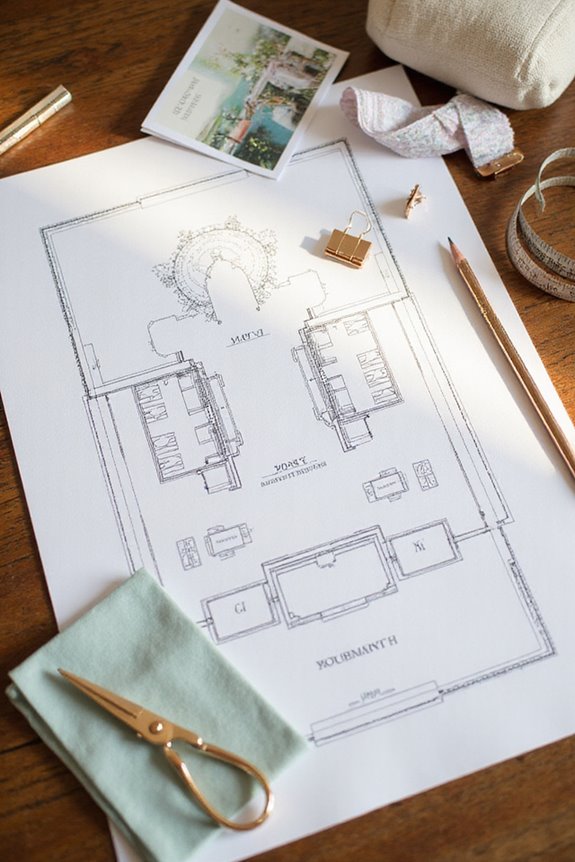
Determining the layout and zoning for our event can feel like piecing together a puzzle, but it’s where the fun really begins! We need to define functional zones based on our event’s purpose, like presentation, networking, and dining. Using zoning principles, we can assign clear boundaries to keep things organized. It’s essential to reflect on traffic flow—placing high-traffic areas like registration near entrances helps minimize congestion. Let’s also incorporate flexibility; if the crowd grows, we want to adapt without stress. For example, visual markers can guide attendees smoothly from one zone to another. And don’t forget about accessibility—clear entry and exit points are key for everyone’s safety. With thoughtful planning, we can create a seamless experience!
Recommended Products

Superior Durability: Your fixed wall mount barrier with Black retractable belt locks into place when you need to bolster a border. Trust your tape, receiver clip, and Black-finish body by DuraSteel

Sturdy and Stable: Queue management barrier poles are made of high-density engineering plastic material with high corrosion and impact resistance. Each stanchion post stands approximately 33.8 inches tall, providing effective visual separation to enhance safety and maintain order

Great for Crowd Control - When paired with our barrier chains, keep property and people safe.
Optimizing Seating and Placement

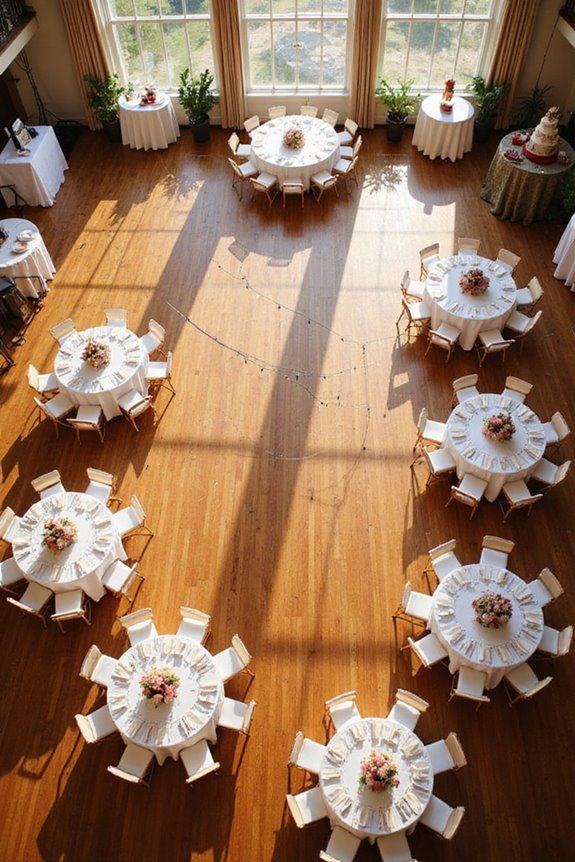
Optimizing seating and placement is essential for creating an enjoyable event atmosphere, especially if we want our guests to feel comfortable and engaged. Choosing the right seating arrangements can make all the difference. For formal dinners, banquet style works well, while U-shaped layouts facilitate presentations. Let’s also think about traffic flow—positioning key areas like registration and food stations strategically prevents congestion.
Using round tables helps maximize space and keeps everyone connected. And don’t forget accessibility! We need to guarantee aisles are wide enough for everyone to move freely. By incorporating various seating options and creating clear pathways, we encourage interaction and maintain a relaxing vibe. After all, a little planning goes a long way in making our event enjoyable!
Recommended Products

6' ROUND FOLDING EVENT TABLE: Offers a reliable, on-demand solution for when you need a little extra surface space for your guests at indoor or outdoor home, school, or business events

Premium Quality Material: Our table clothes are made from high-quality polyester fabric and excellent workmanship, ensuring durability and longevity.

MULTI-PACK: Includes 8-pack spandex cocktail table covers, ideal for banquets, weddings, buffets, events and cocktail parties. A practical alternative to rentals or disposables, these reusable cocktail table tablecloths simplify and save the costs and time for both outdoor and indoor decorations.
Using Technology and Tools

When planning an event, we can’t overlook the role of technology and tools that make our lives easier. Digital tools like Social Tables and Prismm allow us to create detailed floor plans with 2D and 3D views. Imagine whipping up a layout in minutes instead of hours!
Using EventDraw’s drag-and-drop feature, we can quickly customize seating arrangements and add decor elements. Need instant feedback? Platforms like SmartDraw let multiple users collaborate in real-time, ensuring everyone stays on the same page.
Plus, with virtual walkthroughs, we can spot potential issues before the big day. So, let’s embrace these tools and streamline our floor planning process—it’ll save us time and headaches down the line!
Enhancing Attendee Experience With Interactive Elements
Have you ever wondered how to make an event truly unforgettable for attendees? One effective way is by incorporating interactive elements. First, let’s create dedicated zones for interactive games. These can spark excitement and encourage participation, making attendees feel engaged.
Next, consider sensory engagement. Use vibrant decorations and clever lighting to create a memorable atmosphere. Imagine an area where attendees can touch, see, and hear elements that enhance their experience.
Don’t forget about networking spaces! Comfortable lounges can facilitate social interactions and relationship-building.
Finalizing and Sharing the Floor Plan
Getting the floor plan just right is a key step after we’ve added those fun interactive elements to our event. To finalize and share our plan effectively, we need solid collaboration strategies. First, let’s share the floor plans with venue staff and catering teams early. This helps verify measurements and guarantees we’ve got enough prep space.
We should also use event layout tools for precise designs and real-time edits. Maintaining version control is essential; we don’t want confusion over which version is the latest!
Lastly, distributing the finalized plans to all involved parties ahead of time will keep everyone on the same page. By taking these steps, we can guarantee a smooth setup and a fantastic event experience!
Recommended Products

Made of stable plastic

Dual purpose receipt and invoice pad: carbon copy order form books give you a clean paper trail for each transaction; use as a payment receipt book, order receipt book, or invoice book; one carbonless pad for small business record-keeping
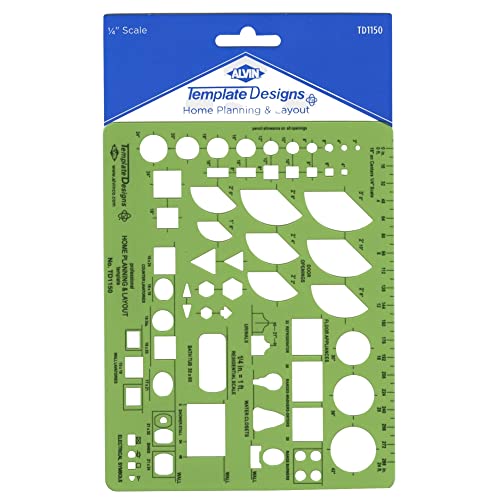
BUILDERS TEMPLATE - Architect and Builders architecture drawing template contains drawing symbols for circles, rectangles, lavatory and kitchen fixtures, roof pitch index, tile layout gauge, door swings, floor elevation indicator and electrical symbols, and more.
Frequently Asked Questions
How Do I Choose the Right Venue for My Event?
When choosing the right venue for our event, we should prioritize venue selection and conduct a thorough location assessment. This guarantees it aligns with our goals, accommodates attendees, and enhances the overall experience we want to create.
What Factors Should I Consider for Event Accessibility?
When planning our event, we should prioritize wheelchair access and sensory accommodations. Let’s assess venue features, engage attendees for feedback, and guarantee we’re creating an inclusive environment that meets everyone’s accessibility needs effectively.
How Can I Ensure Safety During the Event?
When we picture a bustling event, we can’t overlook safety. By ensuring clear emergency exits and employing effective crowd control, we create a secure atmosphere where everyone can enjoy the experience without worry.
What Are Some Common Mistakes to Avoid in Floor Planning?
When planning, we should avoid common mistakes like neglecting guest flow and poor seating arrangements. By prioritizing these elements, we enhance comfort and guarantee a successful event experience for everyone involved. Let’s get it right!
How Do I Handle Unexpected Changes on the Event Day?
Steering through an event day’s unexpected changes feels like sailing through stormy seas. We’ve got backup plans and contingency strategies ready, ensuring we adapt swiftly and keep the experience smooth for everyone involved.
{
“@context”: “https://schema.org”,
“@type”: “FAQPage”,
“mainEntity”: [
{
“@type”: “Question”,
“name”: “How Do I Choose the Right Venue for My Event?”,
“acceptedAnswer”: {
“@type”: “Answer”,
“text”: “When choosing the right venue for our event, we should prioritize venue selection and conduct a thorough location assessment. This guarantees it aligns with our goals, accommodates attendees, and enhances the overall experience we want to create.”
}
},
{
“@type”: “Question”,
“name”: “What Factors Should I Consider for Event Accessibility?”,
“acceptedAnswer”: {
“@type”: “Answer”,
“text”: “When planning our event, we should prioritize wheelchair access and sensory accommodations. Let’s assess venue features, engage attendees for feedback, and guarantee we’re creating an inclusive environment that meets everyone’s accessibility needs effectively.”
}
},
{
“@type”: “Question”,
“name”: “How Can I Ensure Safety During the Event?”,
“acceptedAnswer”: {
“@type”: “Answer”,
“text”: “When we picture a bustling event, we can’t overlook safety. By ensuring clear emergency exits and employing effective crowd control, we create a secure atmosphere where everyone can enjoy the experience without worry.”
}
},
{
“@type”: “Question”,
“name”: “What Are Some Common Mistakes to Avoid in Floor Planning?”,
“acceptedAnswer”: {
“@type”: “Answer”,
“text”: “When planning, we should avoid common mistakes like neglecting guest flow and poor seating arrangements. By prioritizing these elements, we enhance comfort and guarantee a successful event experience for everyone involved. Let’s get it right!”
}
},
{
“@type”: “Question”,
“name”: “How Do I Handle Unexpected Changes on the Event Day?”,
“acceptedAnswer”: {
“@type”: “Answer”,
“text”: “Steering through an event day’s unexpected changes feels like sailing through stormy seas. We’ve got backup plans and contingency strategies ready, ensuring we adapt swiftly and keep the experience smooth for everyone involved.”
}
}
]
}